Skip to content


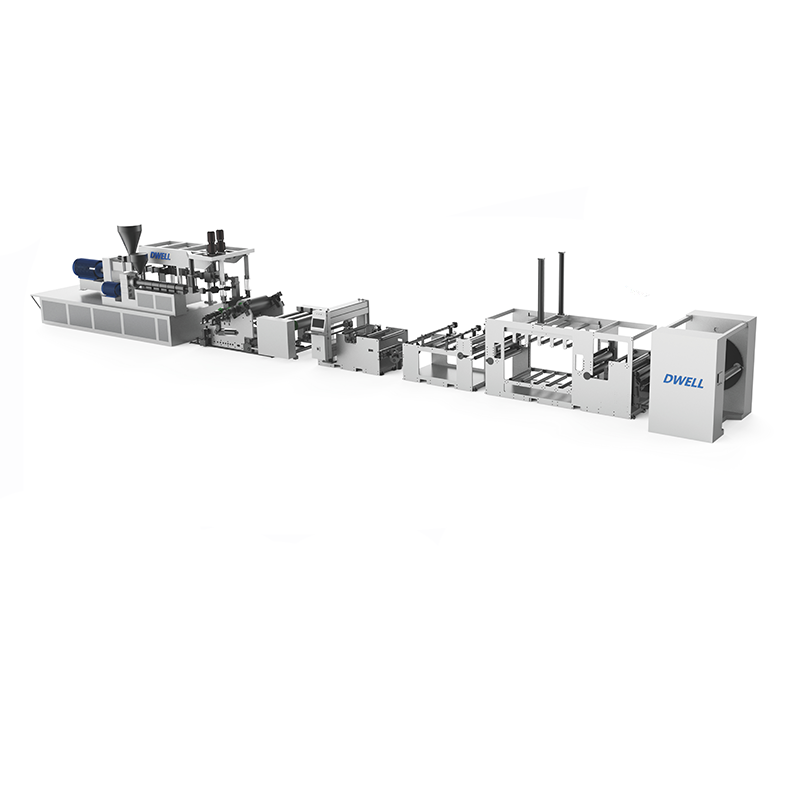

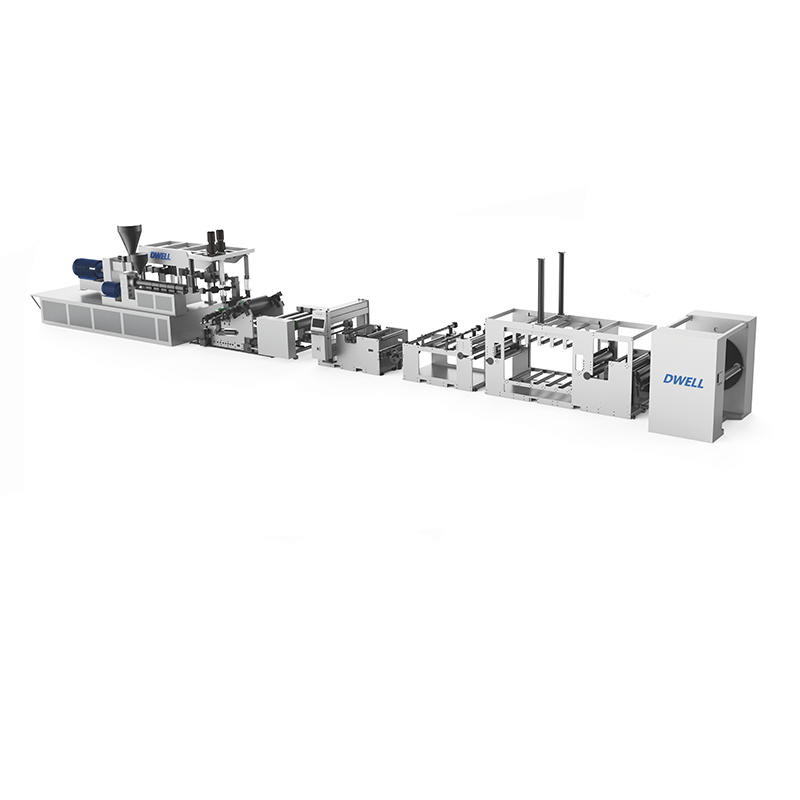
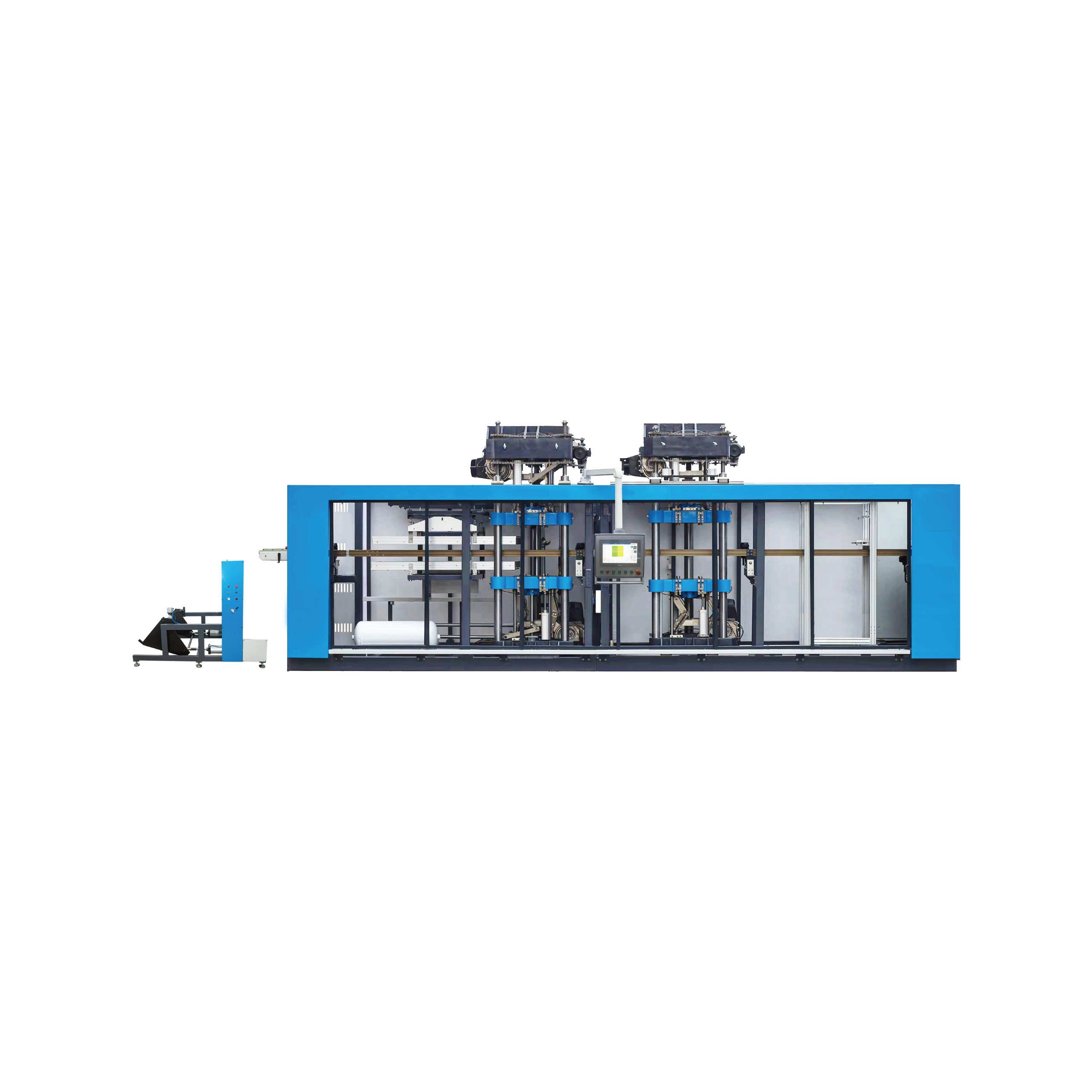
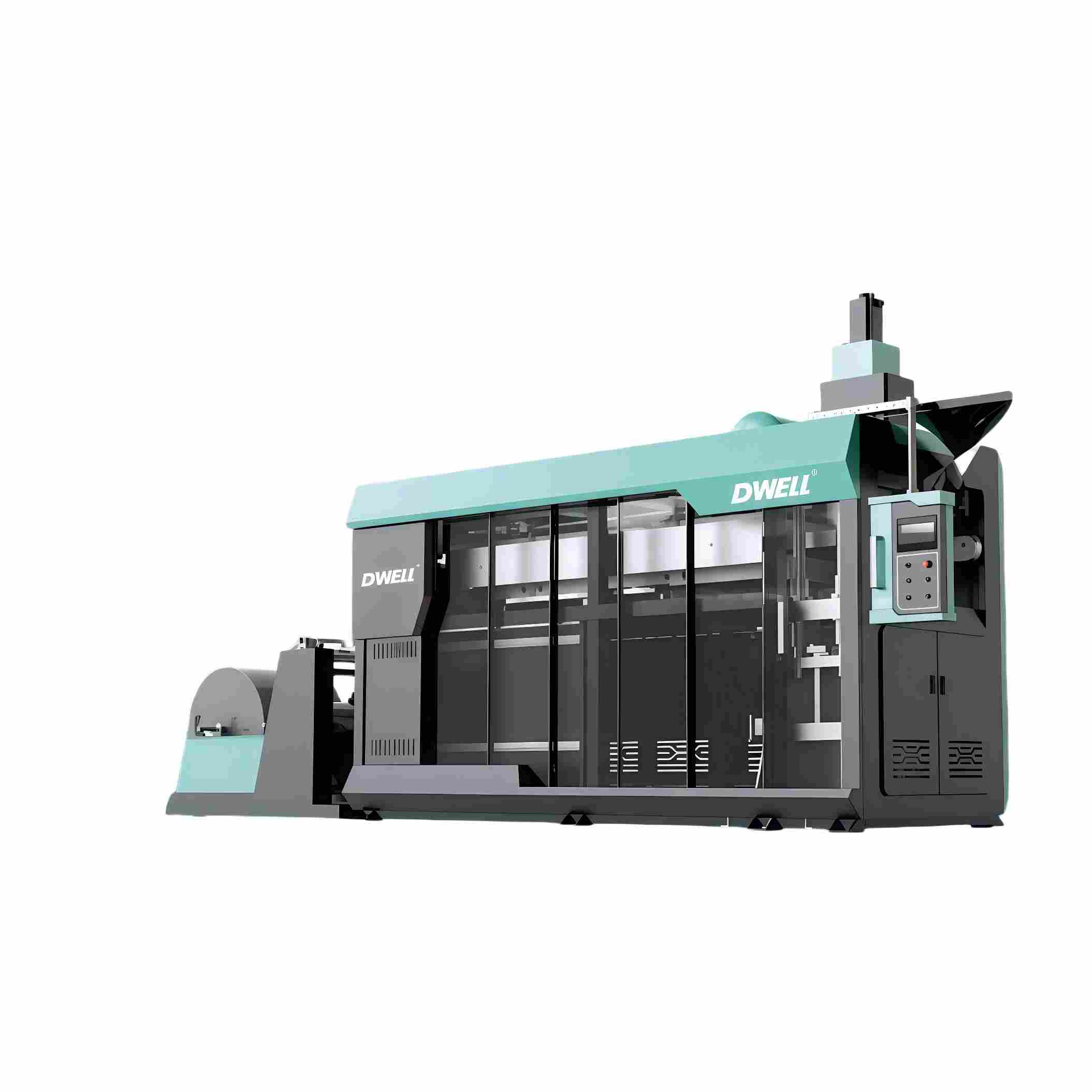
PETG Furniture Decorative Film Production Line
The Particleboard furniture attractive film extrusion collection is a professional production program that integrates high adaptability, outstanding surface treatment capabilities, and eco-friendly characteristics. It is especially designed for manufacturing high-quality PETG attractive films. PETG materials, known for their exceptional transparency, great toughness, excellent substance resistance, and eco-friendly recyclability, have become a celebrity material in contemporary furniture surfacing, interior decoration, and high-end packaging. This manufacturing line significantly combines the low-temperature processing advantages of PETG with the specific process requirements for ornamental films. Through precision co-extrusion technology, online surface texture treatment systems, and efficient low-temperature shaping processes, it ensures that the produced decorative films possess rich visual effects( high gloss/matte/texture), excellent adhesion properties, and stable physical characteristics. It serves as primary equipment empowering the furnishings industry’s upgrade and elegant innovation.
This manufacturing line focuses on the features, aesthetics, and processing eligibility of elegant films. Its style theory revolves around the three key principles of “visual expressiveness, “processing friendliness,”, and “process efficiency, aiming to convert PETG natural materials into high-value-added, attractive options.
Core Technical Benefits
Versatile Precision Co-extrusion System
- Two-layer/Three-layer Co-extrusion Die Technology: Allows flexible and simultaneous co-extrusion of the PETG substrate layer with functional surface layers( e. g., wear-resistant layer, anti-fingerprint coating material, color layer). Each layer’s thickness can be independently and precisely adjusted( accuracy ±5%), endowing the film with composite functions and aesthetic effects in a single forming process.
- Low-Temperature, High-Efficiency Plasticization Extrusion: Addressing PETG’s narrow processing temperature window( approx. 210-250°C), a low-shear, high-efficiency mixing barrier screw is employed, working in tandem with multi-section independent high-precision temperature control. This achieves consistent and steady melt output at optimum viscosity, avoiding thermo degradation and preserving the material’s initial color and toughness.
- Online Melt Filtration and Homogenization: Equipped with a constant mechanical screen changer and a high-precision dynamic mixer to ensure the melt entering the die is very true with incredibly consistent temperature and viscosity distribution, laying the foundation for a great film surface complimentary of specks or flow marks.
Online Surface Effect Treatment System( Core Differentiator)
- High-Precision Mirror/Matte Calender Roll Set: Calender rolls can be optionally equipped with ultra-mirror polished rolls( gloss >95 GU) or specially treated matte texture rolls (adjustable matte degree), directly imparting the final surface gloss to the film during the forming instant, with a long-lasting and stable effect.
- Online In-mold Embossing/Texture Transfer Unit( Optional): Integrates rapidly changeable texture rolls or embossing belts in the calendering section, enabling real-time embossing of various 3D textures such as wood grain, fabric, stone, geometric patterns, etc., onto the film surface. This achieves a seamless “extrusion-embossing “process in one step, greatly enriching the product line.
- Surface Corona Treatment Station: Increases the film surface dyne value online, ensuring adhesion for subsequent printing, coating, or lamination processes, eliminating the need for secondary offline treatment.
Efficient Cooling and Precise Haul-off System
Multi-stage Gradient Cooling Device: Utilizes large-diameter cooling rolls working in conjunction with air knives to achieve rapid and uniform film cooling, ensuring dimensional stability and preventing high haze or warping caused by uneven crystallization.
Full Servo Synchronous Haul-off: From the die to the winder, the entire line uses servo motor drives, achieving millisecond-level synchronization of the speed chain. This ensures constant tension and uniform thickness( longitudinal tolerance ±2%) across a wide speed range from ultra-low to high speeds (5-80 meters/minute).
Fully Automatic Winding and Quality Control System
Dual-position Center/Surface Winder: Features automatic cut-and-transfer functionality for uninterrupted continuous production. Constant tension control and Edge Position Control( EPC) systems ensure neat, wrinkle-free winding.
Online Quality Monitoring: Optional online thickness gauge( infrared), surface defect detection camera, and colorimeter enable 100% real-time monitoring and data recording of key quality parameters, achieving comprehensive quality traceability.
Intelligent Flexible Production Platform
The central control system has a built-in “Product Recipe Library” that can store complete sets of process parameters for products with different colors, thicknesses, and textures, allowing for one-touch switching to meet the flexible production needs of small batches and multiple varieties.
Integrated intelligent temperature control and energy consumption management systems significantly reduce unit energy consumption, aligning with green manufacturing trends.
Key Configurations and Optional Features
Basic Configuration: Dehumidifying drying system, single-screw/twin-screw main extruder, co-extrusion layer extruder, hydraulic screen changer, static mixer, multi-layer co-extrusion die, mirror/matte calender roll set, multi-stage cooling system, corona treater, full servo haul-off unit, dual-position automatic winder, central control system.
Advanced Optional Features
Online texture embossing unit, online thickness/defect detection system, automatic gravimetric dosing feeding system, online liner paper application device, solvent-based/water-based coating unit( for functional coatings), MES production management system interface.
Product Application Range
The high-performance PETG decorative films produced by this line, with their excellent aesthetic effects, physical properties, and eco-friendly safety characteristics, are widely used in the following fields:
- Furniture and Cabinet Manufacturing: Used as surface wrapping films for substrates like particleboard and MDF, for making cabinet doors, panels, decorative trims, replacing traditional paints and stickers to achieve formaldehyde-free, eco-friendly surfacing.
- Interior Decoration and Building Materials: Used for surface decoration of decorative wall panels, interior doors, ceilings, and commercial space partitions, offering a rich selection of colors and textures.
- Appliances and Electronics: Serves as decorative and protective films for appliance panels like refrigerators, air conditioners, and washing machines, combining aesthetics with scratch resistance.
- High-end Display and Commercial Props: Used for refined surface treatment of store display cabinets, racks, and billboards.
- Eco-friendly Packaging and Printing Substrates: Used for high-end gift boxes, cosmetic packaging, and environmentally friendly films requiring subsequent printing.
Frequently Asked Questions( FAQ)
Q1: What are the core advantages of PETG decorative film compared to traditional PVC decorative film?
A1: The core advantages lie in “environmental and health benefits “and” superior performance “. PETG contains no chlorine or plasticizers( phthalates), does not produce dioxins when burned, and complies with stringent environmental regulations( e. g., REACH, RoHS). Simultaneously, PETG offers higher toughness (tear resistance), superior chemical resistance( against cleaners, oils), and better thermoforming performance, providing a more durable and safe surfacing option for furniture.
Q2: Can the production line quickly switch between producing products of different colors and textures?
A2: Absolutely, and this is precisely the strength of this line. Through the “Intelligent Recipe Library”, switching colors only involves changing the corresponding color masterbatch and calling up the corresponding temperature and screw speed recipe. Switching textures is achieved by replacing the embossing roll or switching to calender rolls with different surfaces( e. g., from mirror roll to matte roll), typically completed within 1-2 hours, making it highly suitable for flexible order production.
Q3: What common problems can occur with the produced PETG film during subsequent furniture wrapping processing? How can they be prevented from the production end?
A3: Common problems include “adhesion bubbles “and “edge/corner cracking”. Key prevention measures from the production end are: 1) Strictly controlling film thickness uniformity, which our high-precision die and haul-off system ensures, 2) Ensuring stable surface tension, with online corona treatment maintaining a consistently high dyne value. 3) Optimizing internal stress through the gradient cooling process to reduce film internal stress, improving its extensibility and uniform stretchability during thermoforming, thereby avoiding cracking.
Q4: What are the energy consumption and maintenance costs of the production line?
A4: Due to PETG’s lower processing temperature and the line’s use of efficient servo motors and intelligent temperature control, its operating energy consumption is approximately 15-25% lower than that of PC/PMMA lines of the same specification. Regarding maintenance, it primarily involves regular cleaning and upkeep of precision components like the calender rolls and die lips. We provide detailed maintenance plans and lists of wear parts. Daily maintenance is straightforward, with major costs focused on the periodic replacement of customized components like embossing texture rolls based on the production schedule.
Q5: What additional support can you provide for clients looking to enter the high-end, eco-friendly furniture market?
A5: We offer “product+ process “holistic solution support:
1) Material Selection Guidance: Recommend PETG raw materials that comply with target market certifications.
2)Sample Production and Testing: Can assist customers in trial-producing samples before delivery and provide basic performance test data to help customers quickly enter the market.