 Skip to content

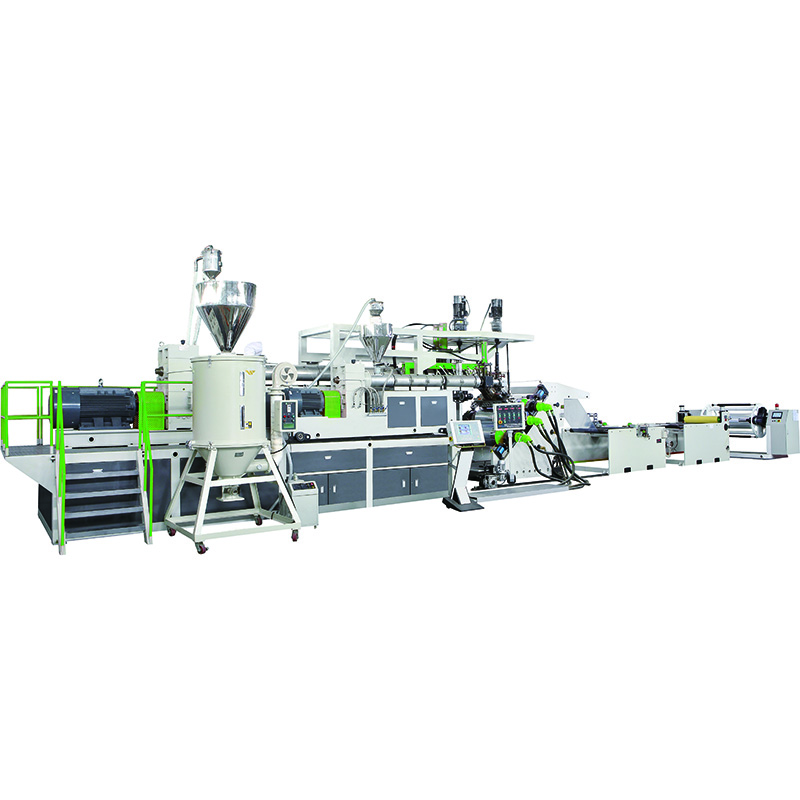
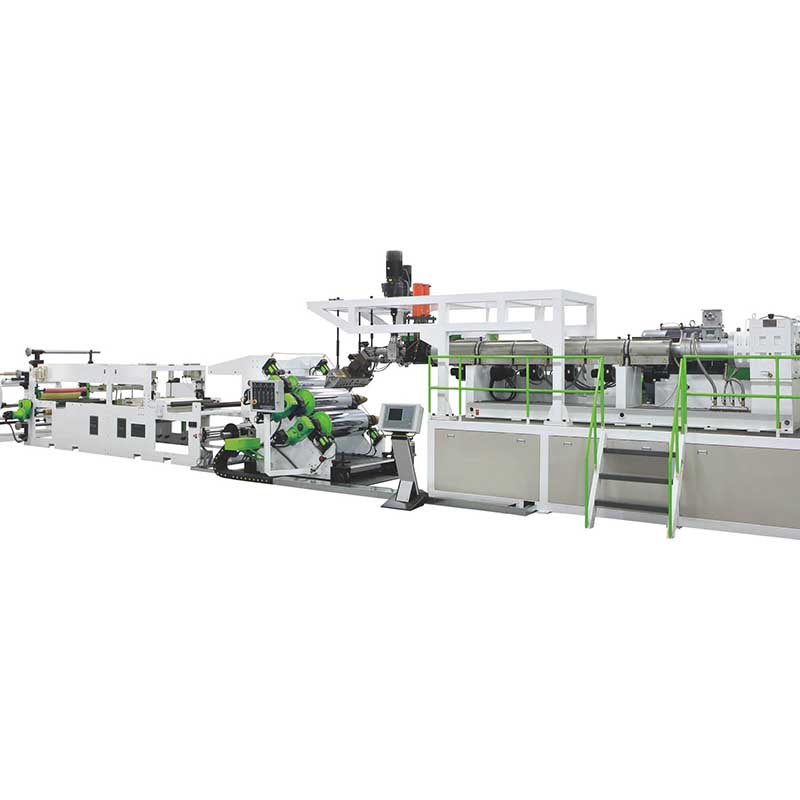
Extrusion is one of the most basic and widely used methods in the plastics fabrication industry. It allows for the constant formation of thermoplastic materials into various profiles such as pipes, profiles, films, and sheets. The principles are shared between film extrusion and sheet extrusion; however, they differ drastically in terms of machinery setup and end applications. This article takes a deep dive into the major differences between film extrusion and sheet extrusion, materials used, equipment involved, process mechanisms, and their applications.
Getting to Know Extrusion
It is a process of pushing molten plastic through a die to form continuous shapes. The raw material—generally in pellet or granular form—is melted by heat and mechanical energy inside an extruder, and then pushed through a specially designed die that determines the final shape.
There are two principal typologies of flat plastic product output by extrusion: films and sheets. At first sight, the difference is there in thickness; films are thinner, generally less than 0.25 mm, and sheets are thicker, 0.25 mm and above. But truly, the core distinctions go much deeper.

What is Sheet Extrusion?
Sheet extrusion is a process in which molten thermoplastic is extruded through a flat die and then passed through a series of cooling rollers to form a thick, flat sheet. The sheet is then either wound onto a roll or cut into desired dimensions.
- Material Thickness: Generally greater than 0.25 mm
- Equipment: Uses flat dies, chill rolls, edge-trimming systems
- Cooling: Polished chill rolls
- Applications: Thermoforming, packaging trays, automotive panels, signage, construction sheets
Common materials for sheet extrusion:
- Polypropylene (PP)
- Polyethylene Terephthalate (PET)
- Polystyrene (PS)
- Acrylonitrile Butadiene Styrene (ABS)
- Polycarbonate (PC)
What is Film Extrusion?
Film extrusion is typically the plastic sheet run either by blown film extrusion or cast film extrusion. Both are capable of producing very flexible, thin plastic sheets primarily used for flexible packaging.
Key Characteristics of Film Extrusion:
- Material Thickness: Typically less than 0.25 mm
- Blown Film Process: Extruded tube is inflated to form a bubble, then collapsed and wound
- Cast Film Process: Molten plastic is extruded through a die and cooled on a chill roll
- Applications: Food packaging, agricultural films, stretch films, garbage bags
Materials used:
- Low-Density Polyethylene (LDPE)
- Linear Low-Density Polyethylene (LLDPE)
- High-Density Polyethylene (HDPE)
- Polyvinyl Chloride (PVC)
- Ethylene-Vinyl Acetate (EVA)
Major Differences Between Film and Sheet Extrusion
| Feature | Sheet Extrusion | Film Extrusion |
|---|---|---|
| Thickness | > 0.25 mm | < 0.25 mm |
| Cooling Method | Polished chill rolls | Air ring (blown) or chill rolls (cast) |
| Die Type | Flat T-die | Annular (blown) or flat (cast) |
| Output Form | Rigid sheets | Flexible films |
| Applications | Trays, panels, and construction | Packaging, bags, shrink wrap |
| Complexity of Equipment | Higher, wider lines, trimming involved | Moderate; precise control needed |
| Winding/Treatment | Cut into sheets or stacked | Wound into rolls |

Sheet Extrusion in Brief
Thermoformed trays, panels, and construction applications are the major areas where sheet extrusion finds valuable application. It can laminate the extruded sheet; it can also co-extrude multiple layers or thermoform 3D shapes.
Advantages of Sheet Extrusion:
- Superb surface finish
- Greater rigidity and strength than films
- Allows for fillers and reinforcements
Equipment for Sheet Extrusion:
- Extruder (single or twin screw)
- T-die
- Calendering rolls
- Edge trimmers
- Stacker or winder
Film Extrusion at a Glance
Film extrusion is a very high-volume, flexible, cost-efficient process.
- Blown film extrusion: Circular die forms a tube inflated with air, cooled, and collapsed
- Cast film extrusion: Molten plastic flows directly onto a chill roll
Advantages of Film Extrusion:
- Lightweight and flexible
- High output and production speed
- Ideal for barrier packaging
- Capable of printing and lamination
Modern film extrusion lines are automated for:
- Thickness control
- Corona treatment
- Edge trimming
- Winding tension regulation
Sheet Extrusion vs. Cast Film Extrusion
Though both use flat dies and chill rolls, the difference lies in thickness and application:
- Cast Film: Very thin; used for stretch wrap, barrier films
- Sheet: Thicker, rigid or semi-rigid, often thermoformable
Sheet extrusion equipment is typically larger with advanced cooling and trimming, whereas cast film extrusion lines focus on speed and uniformity.
Applications: Sheet Extrusion in Industry
- Packaging: Clamshells, blister packs
- Automotive: Interior panels, trunk liners
- Construction: Wall panels, floor protection sheets
- Electrical: Insulation barriers, cable trays
- Advertising: Signboards, displays
A common post-processing method is thermoforming, where a flat sheet is molded into complex shapes.

Market: Flexible Packaging & Film Extrusion
Film extrusion dominates the flexible packaging segment:
- Food Packaging: Wrapped produce, snack bags
- Medical: IV bags, sterile pouches
- Agriculture: Greenhouse films, mulch films
- Consumer Goods: Garbage bags, storage bags
- Industrial: Shrink film, pallet wrap
Energy and Cost Comparison
| Factor | Sheet Extrusion | Film Extrusion |
|---|---|---|
| Energy Use | Higher (larger rolls) | Lower per kg of material |
| Material Efficiency | More scrap from trimming | Higher yield, minimal scrap |
| Initial Investment | Higher | Moderate |
| Maintenance | More complex | Less intensive |
Innovations in Sheet Extrusion
- Multi-layer coextrusion (barrier, adhesive, functional layers)
- Infrared thickness gauges for quality control
- Servo-driven roll systems for precision
- Inline thermoforming integration
- Support for recycled and biodegradable materials
- Energy-efficient heating elements
Sheet extrusion and film extrusion share a common foundation in melting and shaping plastic, but they differ greatly in product thickness, machinery setup, and applications.
- Sheet extrusion: Suits rigid or thermoformable products, especially in industrial or structural use cases.
- Film extrusion: Ideal for lightweight, flexible packaging, particularly for high-volume consumer products.
Understanding these differences enables manufacturers to choose the right extrusion technique, optimize materials, and boost performance and cost efficiency.
As industries innovate and sustainability demands grow, extrusion technologies will evolve. Companies that understand both sheet extrusion and film extrusion can stay competitive in a diverse and demanding market.
