 Skip to content

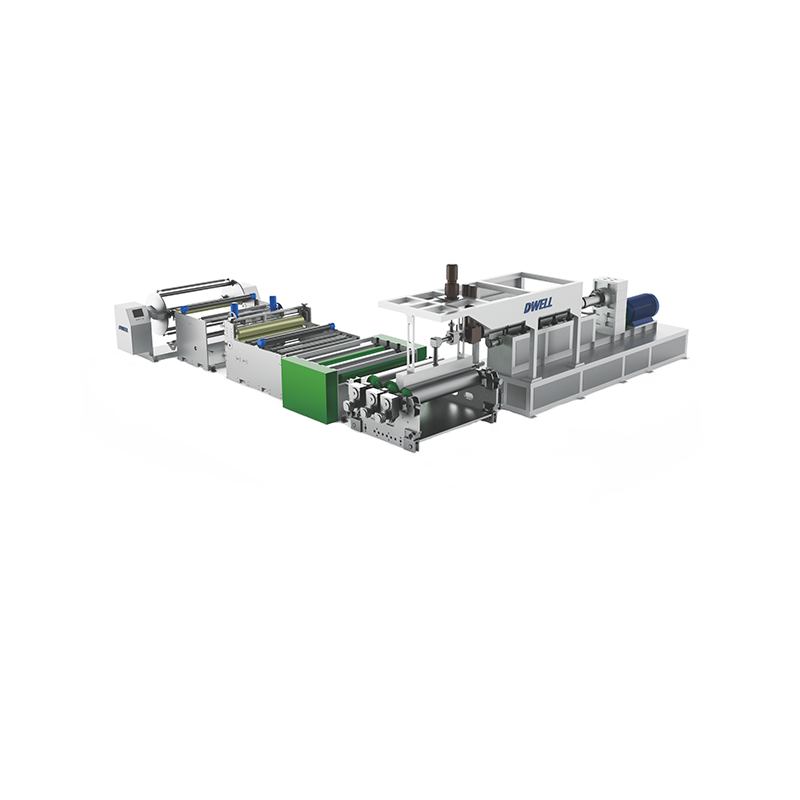
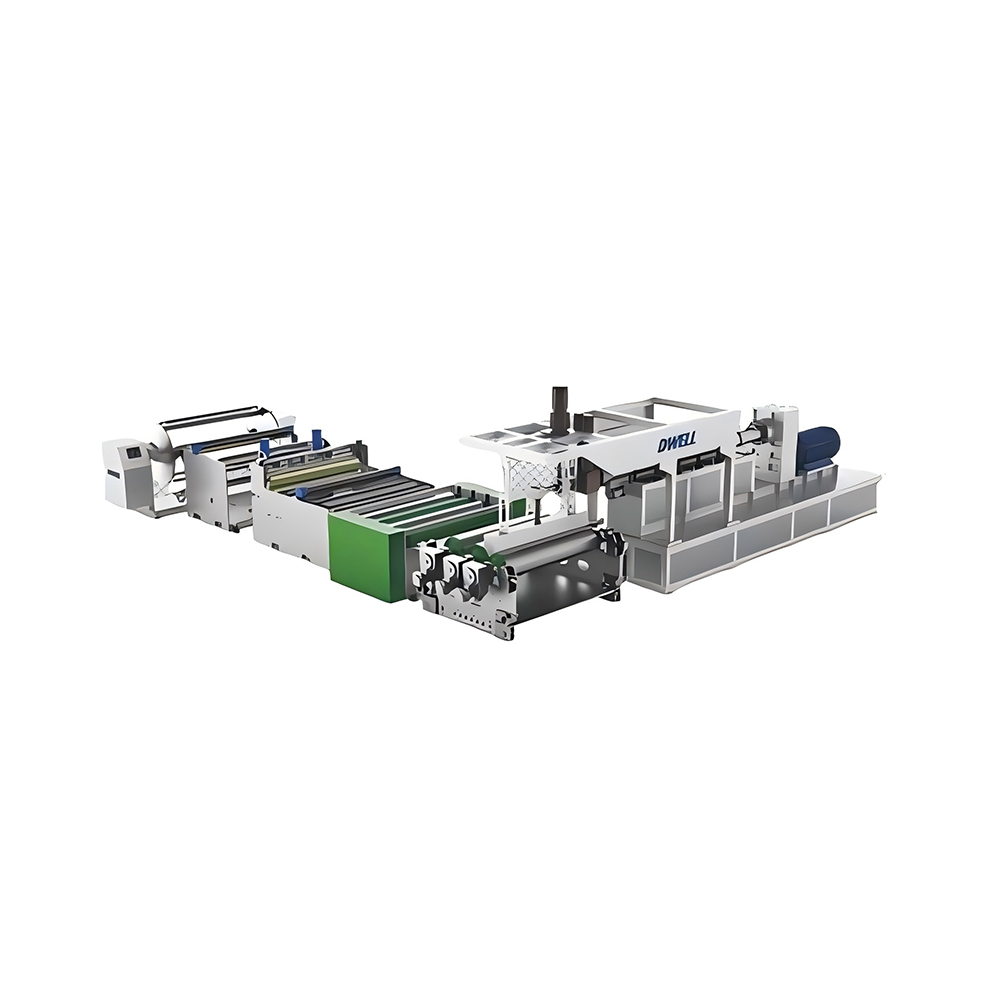
In the fast-evolving world of industrial manufacturing, three goals have remained constant over time: simplify processes, enhance efficiency, and reduce costs. The emergence of the one-step extrusion molding machine represents a landmark achievement in this pursuit.
Far from being just a single piece of equipment, the “one-step method” embodies a revolutionary production philosophy and a suite of integrated technologies. By consolidating formerly fragmented manufacturing stages into a seamless, continuous process, it is reshaping industries ranging from plastic packaging to advanced composite molding.
Among the pioneers driving this transformation, DWELL has launched its state-of-the-art one-step extrusion molding line—an innovation that is setting new benchmarks for performance, cost-effectiveness, and sustainability.
What Is the One-Step Method?
As its name suggests, the one-step method integrates multiple stages of production that traditionally required separate equipment, multiple operators, and extended lead times. In conventional plastic packaging production, for example, manufacturers typically need a sheet extrusion machine to first produce semi-finished sheet rolls, followed by a thermoforming machine to shape them into trays, containers, or boxes.
This two-stage workflow involved not only duplicated equipment but also the inefficiency of in-process handling—storing, transporting, and reloading semi-finished products. Each handoff introduced waiting periods, energy losses, and material waste.
The DWELL One-Step Extrusion Molding Machine breaks this paradigm. By consolidating extrusion and forming into a single integrated process, it achieves what manufacturers have long dreamed of: raw material in, finished product out—without interruption.
This radical integration is the foundation of all its advantages.

Why the One-Step Machine Has Become an Industry Favorite
The DWELL one-step extrusion molding system has earned rapid adoption thanks to its four transformative advantages:
1. Extreme Production Efficiency and Speed
-
No intermediate waiting: Eliminates the need for semi-finished sheet handling, transport, or storage. Production cycles are shortened by an order of magnitude.
-
Continuous production: From feeding raw material to delivering finished goods, the system runs as a seamless, uninterrupted process, significantly increasing equipment utilization and per-hour yield.
In today’s just-in-time manufacturing environment, this acceleration can be the difference between meeting tight deadlines and losing market opportunities.
2. Substantial Reduction in Total Costs
Cost savings occur at multiple levels:
-
Labor: With automation at its core, the one-step system requires far fewer operators. Human involvement shifts from manual operation to monitoring and maintenance, cutting personnel expenses.
-
Floor space: A single production line replaces what once required two machines and additional handling areas. Compared with traditional setups, DWELL’s one-step system reduces factory space requirements by up to 50%.
-
Energy: Operating one integrated machine consumes nearly 50% less energy than running both a sheet extruder and a separate thermoformer.
-
Material: Traditional two-step processes generate waste at multiple stages, particularly during edge trimming. The DWELL system reduces trimming to a single occurrence, lowering raw material costs.
Together, these savings deliver a powerful boost to manufacturers’ bottom lines.
3. Unparalleled Flexibility and Innovation Potential
The one-step approach does not just improve efficiency—it unlocks new possibilities.
-
Quick product changeovers: By simply adjusting digital recipes in the control system, manufacturers can rapidly switch between product types and specifications. This agility supports small-batch, multi-variety production, a growing requirement in modern markets.
-
Novel product structures: The DWELL system enables processes such as in-line co-extrusion, lamination, and decoration. These were either impossible or highly inefficient under traditional workflows. With one-step technology, entirely new product designs are within reach.
This ability to combine flexibility with mass efficiency is precisely what today’s manufacturers need to remain competitive.
4. Advanced Technology for Superior Performance
At the heart of DWELL’s one-step extrusion molding line are carefully engineered components:
-
Parallel Twin-Screw Extruder: Designed for low energy consumption, high throughput, and uniform mixing, it accommodates a wide range of raw material types without compromising product quality.
-
Punching and Forming System: Incorporating Japanese Asano technology, DWELL’s forming unit delivers world-class precision and reliability—offered at a mainstream price point for maximum value.
By fusing these advanced subsystems into a cohesive production line, DWELL delivers performance that exceeds expectations while remaining cost-competitive.
Choosing One-Step: Choosing the Next Growth Engine
The manufacturing industry is entering a new era—one where speed, efficiency, and innovation are not optional but essential. The DWELL one-step extrusion molding machine is not just an equipment upgrade; it is a strategic investment in the future.
Manufacturers adopting this technology position themselves to:
-
Reduce costs and improve margins.
-
Shorten production cycles to meet dynamic market demands.
-
Free up space, labor, and energy resources for reinvestment.
-
Expand product portfolios with innovative designs.
In short, choosing one-step is choosing the next growth pole.
The DWELL One-Step Extrusion Molding Machine exemplifies how integrated technology can reshape entire industries. By merging extrusion and forming into a single, continuous line, it delivers unrivaled efficiency, substantial cost savings, and new possibilities for product design.
As global markets demand faster response, higher sustainability, and smarter production, DWELL provides manufacturers with a clear competitive edge. This is not just an incremental improvement—it is a disruptive leap forward in manufacturing philosophy.
DWELL: From raw material to finished product, in one seamless step.
