Skip to content




PC Optical Sheet Extrusion Line
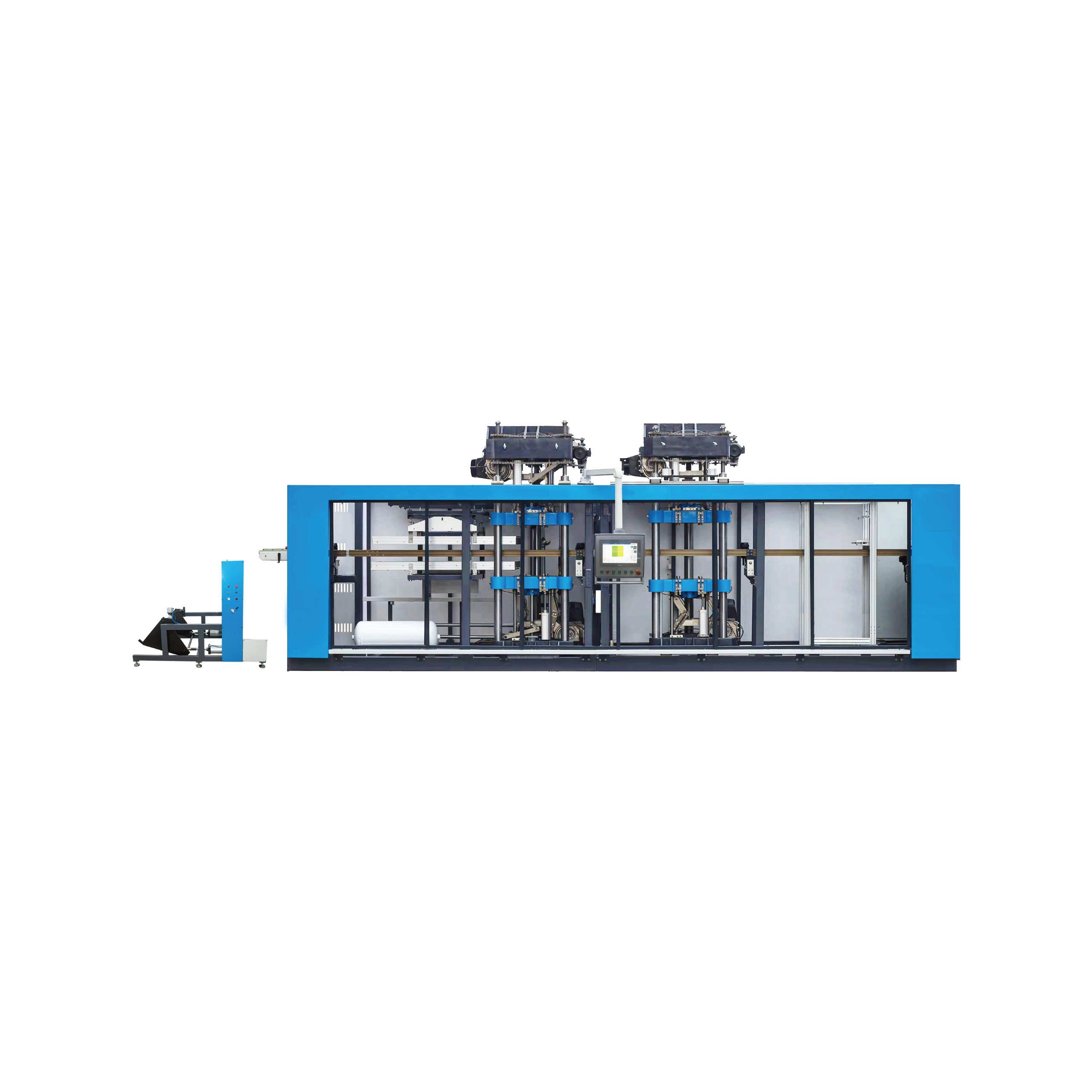
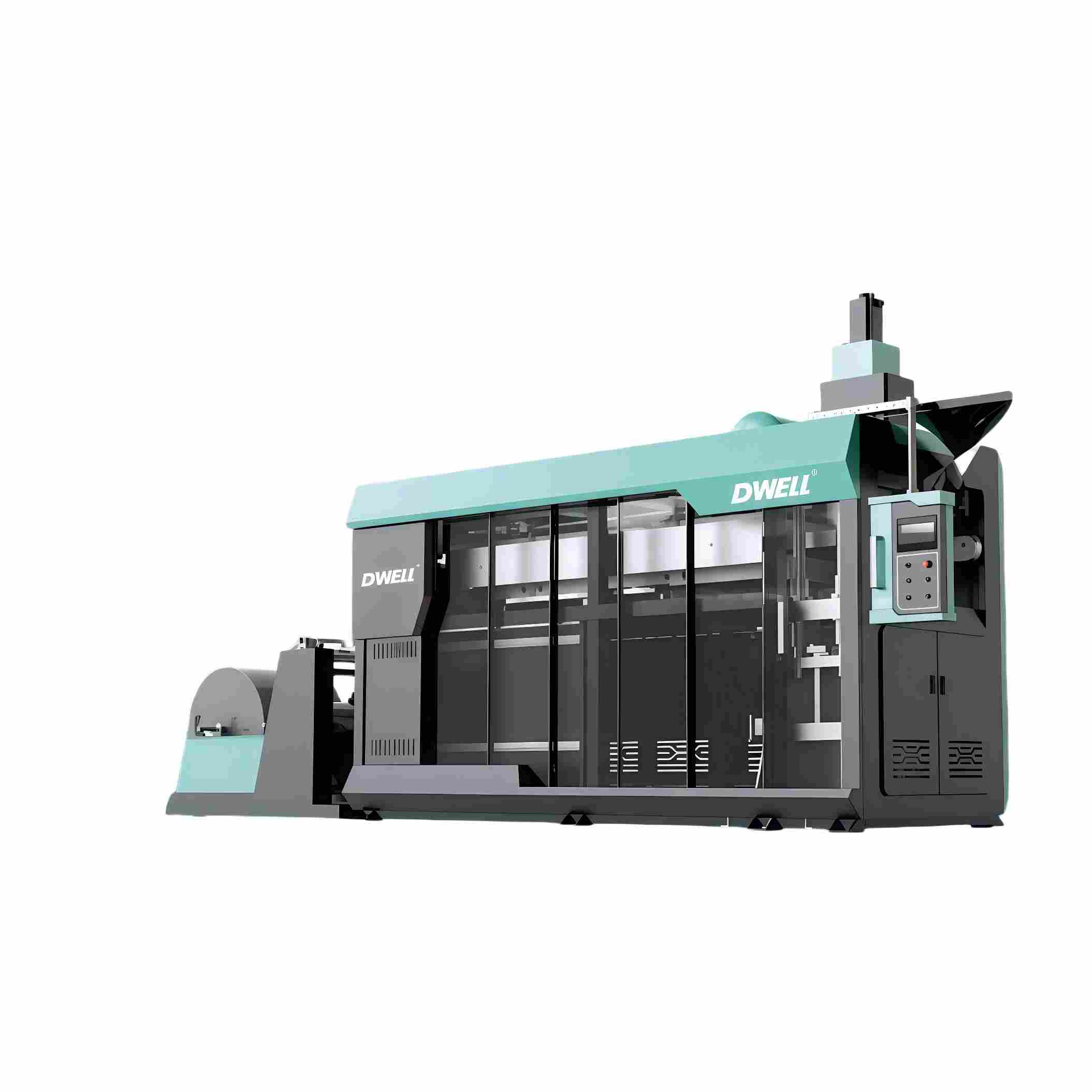
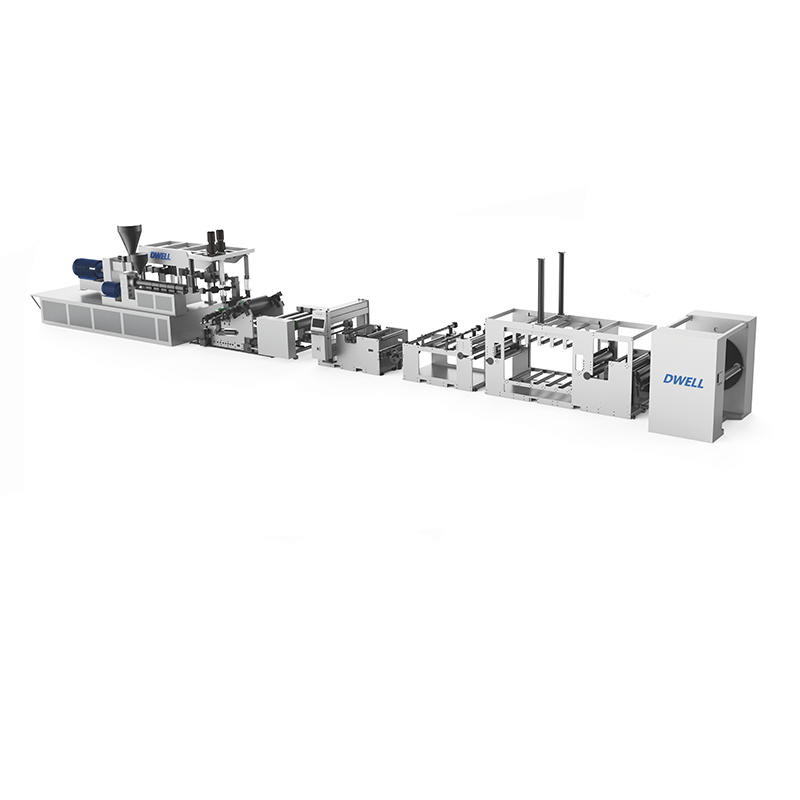
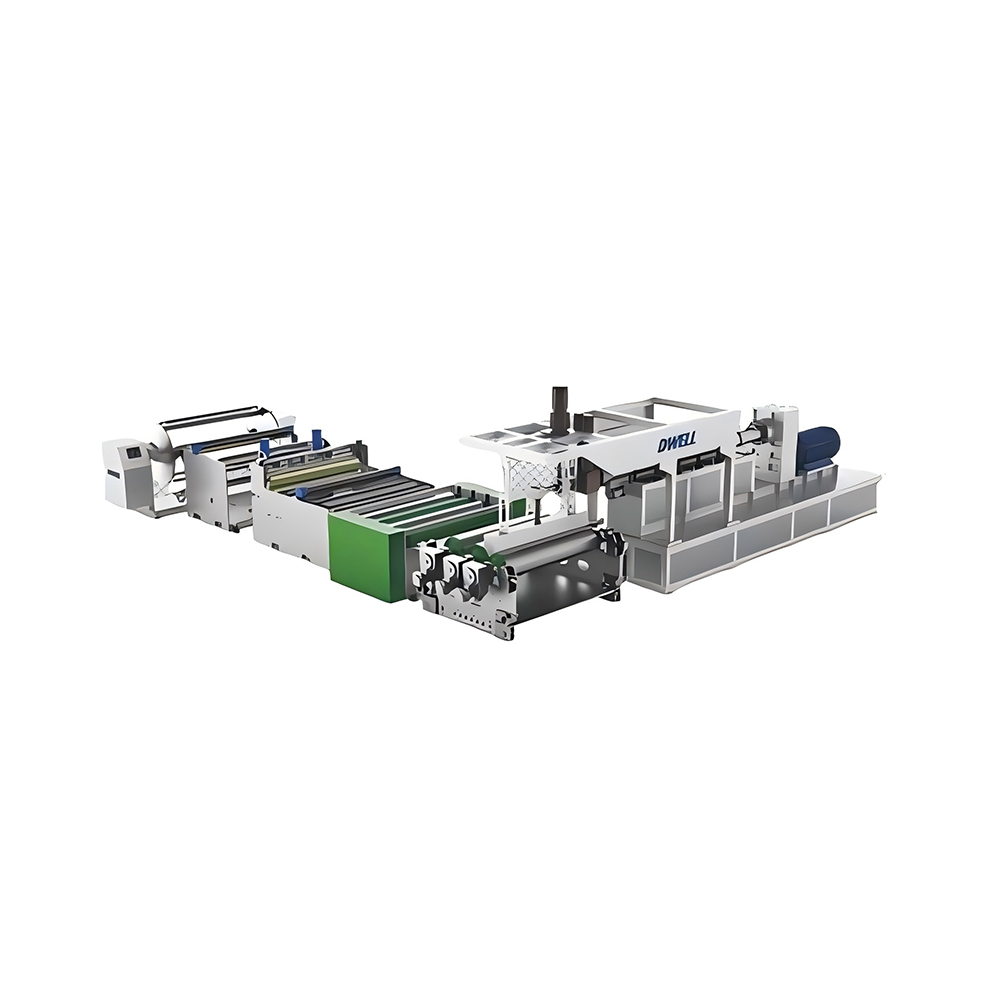
The PC optical sheet extrusion line is a high-precision, high-performance production system designed for high-end applications, specifically for manufacturing polycarbonate (PC) optical-grade sheets. PC material is renowned for its exceptional impact resistance, high light transmittance, excellent heat resistance, and dimensional stability, making it an ideal choice for demanding applications such as automotive lighting, electronic displays, and protective windows. This production line addresses technical challenges associated with PC processing, including high processing temperatures, hygroscopicity, and high melt viscosity, by integrating a series of advanced solutions. It ensures that the produced sheets exhibit top-tier optical uniformity, extremely low residual stress, and perfect surface quality, making it the ultimate equipment for meeting the high-end market’s demand for high-performance optical polymer sheets.
Product Detailed Description
This production line represents a deep integration of precision mechanical engineering and polymer processing technology. Its design core revolves around three principles: “High-Precision Temperature Control,” “Low-Stress Forming,” and “Ultimate Cleanliness,” enabling it to overcome the processing challenges of PC material and unlock its full performance potential.
High-Efficiency Extrusion System Optimized for Desktop
Low-Shear, High-Mixing Screw: Utilizes patented barrier-type or double-wave screws that ensure complete and consistent plastification of Computer material while minimizing strain heat to avoid degradation and yellowing credited to overheating, thus maintaining optical stability.
High-Performance Dehumidifying Drying System: Standard equipment includes a twin-tower dehumidifying washer with a mist level below- 40° C, combined with a closed-loop expressing system. This ensures the moisture content of the PC raw material is below 0.02%, fundamentally eliminating bubbles, silver streaks, and molecular weight reduction caused by hydrolytic degradation.
High-Temperature Resistant Heavy-Duty Structure: The extrusion barrel and lock are made of high-quality nitrided metal or bimetallic materials to withstand the continuous high-temperature running atmosphere of the computer (up to 300- 320° C), ensuring long-term steady operation.
Ultra-High Precision Temperature and Flow Path Control
Multi-Section Independent Precision Temperature Control: From the extrusion to the kill, the whole range is equipped with 15-25 zones of PID smart heat control modules, with a control accuracy of± 0.5° C. This provides an extremely stable and consistent thermo history for the high-viscosity PC melt.
Coat-Hanger Automatic Die: The flow channel is optimized using Computational Fluid Dynamics( CFD) to ensure uniform melt distribution. It is equipped with a thermal expansion bolt or flexible lip automatic adjustment system for online fine-tuning, achieving transverse thickness tolerance control within± 1.5%.
Melt Gear Pump( Key Optional): Significantly stabilizes output pressure and eliminates extrusion fluctuations. It is a primary upgrade element for achieving nanometer-level width uniformity and the highest optical quality.
Multi-Stage Progressive Calendering and Heat Treatment
Precision Three-Roll/ Five-Roll Calender: The spins utilize high-precision chrome-plated rolls with an internal “oil temperature control device ” and a water cooling “dual-circuit temperature control system, allowing for independent and precise temperature settings. Precise coordination of various temperatures across several rolls enables slow, differential cooling of the Computer strip, maximizing the elimination of forming-induced internal stress.
Online Annealing Unit( Optional): For ultra-thick sheets or products requiring extremely low residual stress, a dedicated infrared heating annealing channel can be configured to perform precise secondary heat treatment on the sheet, further releasing internal stress and enhancing dimensional stability and long-term reliability.
Cleanroom-Level Dust Prevention and Surface Protection
Enclosed Haul-Off Channel and Positive Pressure Dust Prevention Design: A sealed channel is installed in the critical section from after the calender to before the winder, and clean filtered air is injected to prevent dust particles from adhering to the surface of the still-hot and soft sheet, ensuring optical cleanliness.
Online Laminating Device: Automatically applies a protective film to both sides of the sheet before winding, preventing scratches and contamination during subsequent transportation, storage, and processing.
Fully Digital Intelligent Control System
Integrates PLC and industrial computers, featuring a large color touchscreen for centralized line control and monitoring.
Possesses complete process curve recording and traceability, remote diagnostics, fault warning, and recipe management functions, ensuring production repeatability and product consistency.
Key Configurations and Optional Features
Basic Configuration: High-efficiency dehumidifying dryer, PC-specific single/twin-screw extruder, hydraulic screen changer, melt gear pump (recommended), automatic die, multi-roll calender unit, enclosed cooling section, haul-off unit, online laminating machine, winder/fixed-length cutter, fully automatic control system.
Advanced Optional Features: Online thickness/stress gauge (laser or infrared), online defect detection system, automatic annealing oven, automatic stacker, central feeding and dosing system, cleanroom environment adaptation module.
Product Application Range
The high-performance PC optical sheets produced by this line, leveraging their unparalleled comprehensive properties, are applied in the most demanding fields:
Automotive Industry: Automotive headlight and taillight lenses and inner lenses, LED daytime running light guide plates, instrument cluster covers, window and sunroof components.
Electronics and Electrical Appliances: Liquid crystal display (LCD) light guide plates (LGP), touchscreen cover plates, smartphone and tablet protective back panels, and instrument observation windows.
Safety and Protection: Riot shields, bank counter bullet-resistant glass, machinery equipment protective covers, high-safety glasses and face shields.
Medical Devices: Hemodialyzer housings, surgical instrument observation windows, disinfection equipment panels, and other components requiring high transparency and resistance to disinfectant cleaning.
Construction and Specialized Fields: High-security daylighting canopies, sound barriers, aerospace vehicle portholes, diving masks, etc.
Frequently Asked Questions (FAQ)
Q1: What are the biggest challenges in PC sheet production, and how does this line address them?
A1: The primary challenges are “hydrolytic degradation” and “high residual stress.” We address these by using a twin-tower deep dehumidifying drying system to eliminate raw material moisture and by employing low-shear screw design and multi-stage gradient temperature-controlled calendering technology, combined with the optional online annealing unit, to systematically minimize forming-induced internal stress. This ensures product optical performance and dimensional stability.
Q2: Can the production line manufacture bullet-resistant grade ultra-thick PC sheets?
A2: Yes. For producing ultra-thick sheets exceeding 10mm, we recommend upgrading to a higher-power extruder, reinforced calender rolls, and an online annealing oven. This combination effectively solves the challenges of slow center cooling, susceptibility to shrinkage voids, and high internal stress in thick sheets, making it suitable for producing armor-grade, bullet-resistant PC sheets.
Q3: What is the production speed? What is the bottleneck affecting PC sheet production rate?
A3: Production speed is limited by thickness and cooling efficiency. Due to the poor thermal conductivity of PC, the cooling and setting speed is the main bottleneck. Our multi-roll temperature-controlled calendering system and well-designed cooling section precisely control the cooling gradient, maximizing line speed while ensuring low stress. For a 2mm thick sheet, the typical line speed can reach 3-6 meters per minute.
Q4: How is the optical cleanliness of the sheet surface ensured, free from scratches and dust?
A4: We adopt a combined strategy of “process protection” and “end-point protection”: A positive pressure enclosed channel is set up in the high-temperature section to prevent dust ingress; all contact rolls are high-gloss chrome-plated rolls; and a fully automatic online laminating machine is standard equipment before winding, applying a “protective coat” to the sheet that remains until the customer’s processing stage.
Q5: Is switching from a PMMA production line to PC production possible? Do major components need replacement?
A5: Significant adjustments are required, and direct switching is not recommended. PC’s processing temperature, screw compression ratio, temperature control precision, and drying requirements are far higher than those for PMMA. Core components such as the screw, drying system, and some seals and heating elements require dedicated designs. We strongly recommend investing in a dedicated production line for PC to ensure product quality and equipment lifespan.